
 NEO
NEOIf your radiators are hot at the top and cold at the bottom, your boiler is making more noise than usual, or certain rooms never seem to warm up properly, sludge is often the culprit. Many people search for how to power flush central heating system DIY when they want a cheaper fix, but this is one job where the difference between a quick improvement and an expensive mistake matters.
A proper power flush is designed to clear iron oxide, debris and scale from your heating circuit using specialist equipment, chemicals and controlled water flow. It can restore circulation, improve radiator output and reduce strain on the boiler. The question is not only whether you can do it yourself, but whether your system is suitable and whether the result will be worth the risk.
How to power flush central heating system DIY – what it really involves
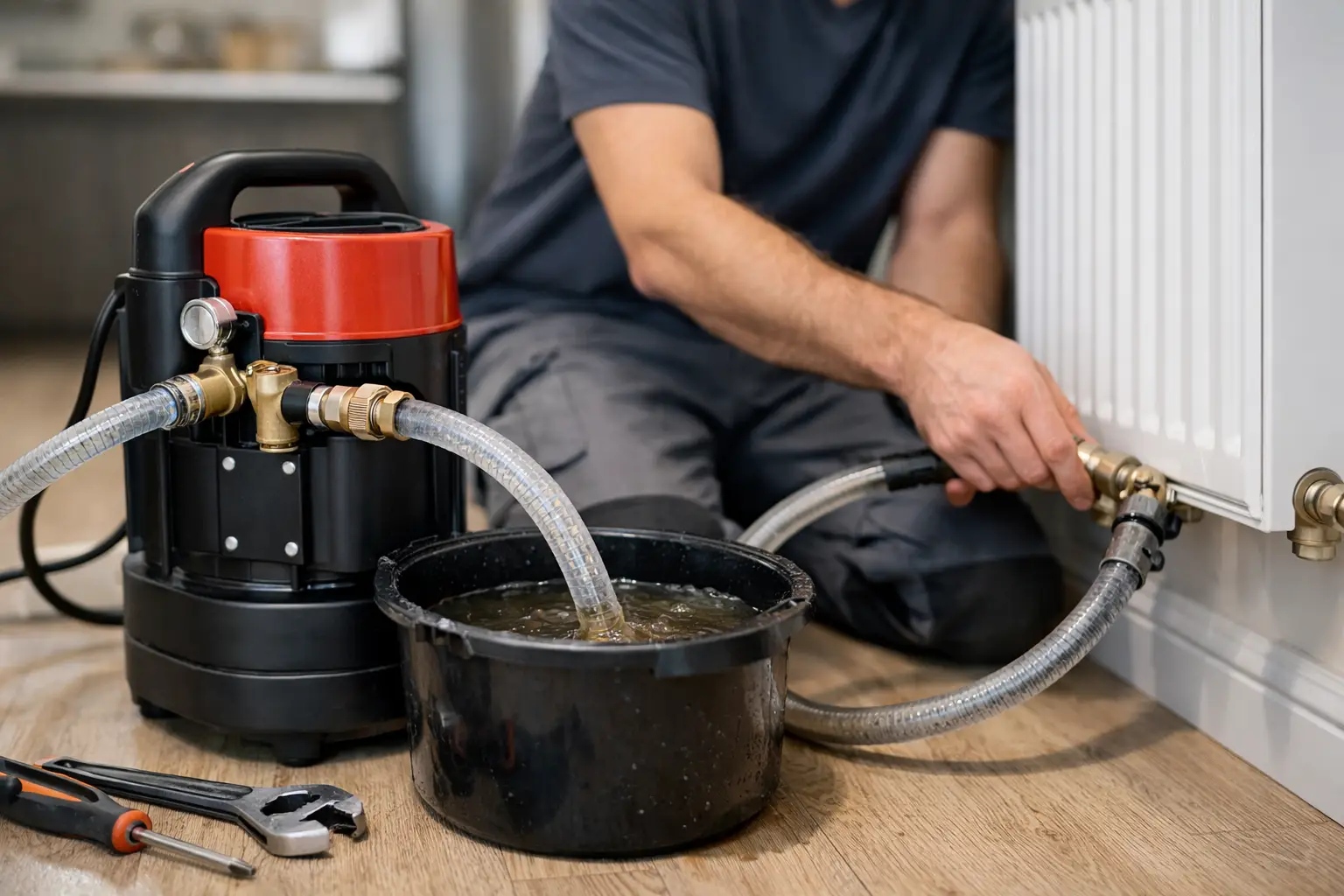
DIY power flushing is often misunderstood. A true power flush is not the same as draining the system, bleeding radiators or tipping a bottle of cleaner into the feed and expansion tank. It uses a dedicated flushing pump connected into the heating system, usually with cleansing chemicals, and each radiator is isolated and worked through in turn to shift built-up sludge.
That matters because a heavily contaminated system rarely clears with a basic drain-down. Sludge settles in low-flow areas, compacts inside radiator panels and can circulate back into the boiler if it is not removed properly. On older systems, especially in London properties with ageing pipework or a history of poor maintenance, the job can become more complicated very quickly.
For a competent DIYer, a light chemical clean and flush may be possible. A full power flush is more specialised. If the boiler is under warranty, if there are signs of pump issues, or if the system has recurring cold spots, it is usually better handled by an experienced heating engineer.
When a DIY flush might be enough
There are cases where a simpler approach can help. If the system is only mildly dirty, the radiators still heat reasonably evenly, and the boiler is not locking out or kettling, you may get some benefit from adding a recognised cleanser, running the heating for the recommended period, then draining and refilling the system with inhibitor.
This is not the same as a commercial-grade power flush, but it can improve circulation in lightly affected systems. It is often the practical limit of what a homeowner should attempt without specialist flushing equipment.
If, however, several radiators are cold, the water drained from the system is black, there is repeated air build-up, or the boiler has fault codes linked to circulation, you are beyond a casual DIY clean. At that stage, guessing can cost more than booking the right engineer from the outset.
Tools and equipment you would need
If you are determined to attempt a DIY version, you need more than a hosepipe and a bucket. At minimum, you are looking at a central heating cleanser, fresh inhibitor, basic hand tools, radiator bleed key, hose connections, plenty of old towels and containers for dirty water. Some people hire a flushing pump, but hiring the machine is only part of the job. Knowing where to connect it, how to protect the boiler and how to isolate radiators correctly is what prevents damage.
You also need to understand your system type. A sealed system, a vented system and a combi setup all have different considerations. Pressure management matters. So does safe discharge of dirty water. And if any part of the work involves opening the boiler case or interfering with petrol components, that stops being DIY immediately.
How to flush a central heating system yourself
Start by turning off the heating and allowing the system to cool fully. You then isolate the water supply where appropriate, attach a hose to the drain-off point and empty the system. Expect the first discharge to be dark if sludge is present.
If you are using a chemical cleanser, it is usually introduced via a radiator or other suitable access point, then circulated through the system for the time specified by the manufacturer. During this stage, each radiator should be checked and bled where needed. On a simple DIY clean, some homeowners remove individual radiators and flush them through outdoors with a hose until the water runs clearer. It is messy, time-consuming and not always enough, but it can help on badly affected units.
After circulation, the system is drained again and refilled until the water runs cleaner. On sealed systems, pressure must then be restored correctly. Once flushing is complete, inhibitor should be added to help slow future corrosion. Skip that step and the problem can start building up again far sooner than expected.
This process sounds straightforward on paper. In practice, seized valves, old radiator tails, hidden leaks and poor drain-off points can turn it into a long day very quickly.
The main risks of a DIY power flush
The biggest risk is assuming all poor heating performance comes down to sludge. Sometimes the real fault is a failing pump, a stuck motorised valve, air ingress, incorrect balancing, a blocked heat exchanger or boiler-related circulation issues. Flushing the system will not solve those problems.
There is also the risk of disturbing weak points in an old system. Sludge can partly seal tiny holes in corroded radiators or pipework. Once it is removed, leaks may appear. That does not mean the flush caused the damage, but it often reveals existing deterioration.
Improper chemical use is another issue. Too strong, left in too long, or not thoroughly flushed out, and you can create more problems than you solve. The same goes for poor refilling. If inhibitor is not added or system pressure is not set correctly, heating performance and long-term protection both suffer.
Then there is the boiler itself. Modern boilers are sensitive to dirty water and poor circulation. If debris is pushed towards the heat exchanger during an amateur flush, the repair bill can easily wipe out any saving.
When professional power flushing is the better option
If you have a modern boiler, repeated boiler faults, multiple cold radiators, or a large property with several heating zones, professional power flushing is usually the sensible route. A specialist can test circulation properly, identify whether sludge is the real issue, and flush the system with the right equipment rather than hoping a basic drain-down does the trick.
That is particularly relevant for landlords and property managers. A half-done job in an occupied property can mean complaints, no heating, water damage and call-backs. Paying for the job once is normally cheaper than paying for it twice.
A proper engineer will also spot the things a DIY guide cannot. Magnetite levels, system design flaws, failing components, undersized pipework, or whether the boiler should be protected during the flush. For many households, that diagnosis is where the real value lies.
Signs your heating system needs more than a flush
If radiators stay unevenly hot after cleaning, if the pump is noisy, if pressure keeps dropping, or if the boiler cycles on and off without heating properly, the issue may sit elsewhere. Likewise, if the system is very old and has never been maintained, a flush may help but not fully restore performance.
This is where an honest assessment matters. Not every struggling system needs a full replacement, but not every tired system will be rescued by flushing either. The right answer depends on age, condition, contamination level and the state of the boiler.
Is DIY power flushing worth it?
For a light clean on a straightforward system, DIY can be worthwhile if you are confident, methodical and realistic about the limits. You might improve radiator performance and buy the system some time, especially if you finish the job properly with clean water and inhibitor.
If you are expecting the result of a professional power flush, though, that is a different standard. Specialist equipment, experience and fault diagnosis are what make the difference. That is why many homeowners who start with a DIY attempt end up calling in a heating engineer after losing a weekend and still having cold radiators.
At The Power Flush Company, we see that pattern regularly across London properties – especially where sludge has been building for years and the boiler is already under strain. A proper assessment saves guesswork.
If you are weighing up how to power flush central heating system DIY, be honest about the condition of your system and your own skill level. A careful DIY clean can help in some cases, but when heating reliability matters, the smarter decision is often the one that gets the job fixed properly first time.
Comments
No comments yet. Be the first to comment.