
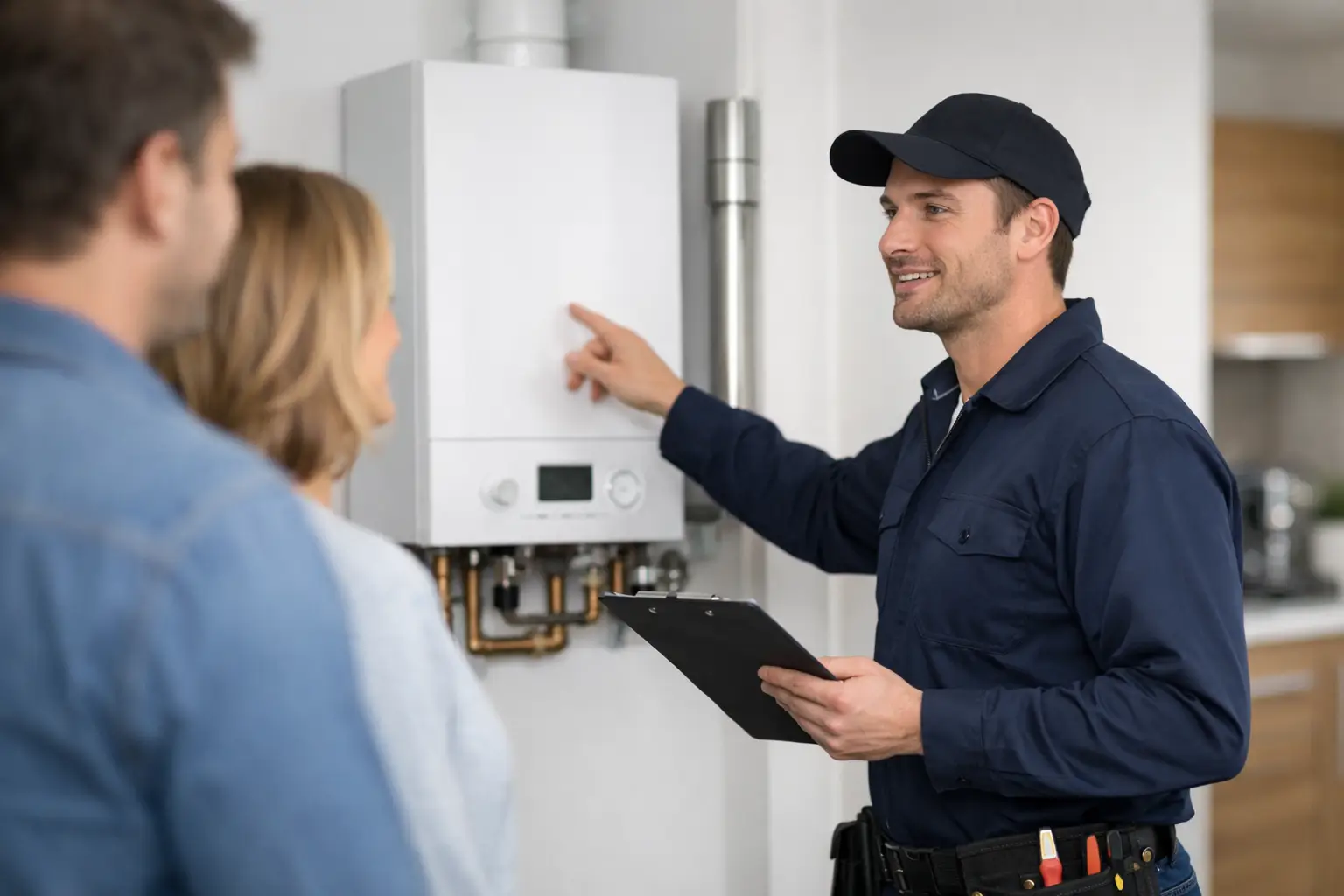

A boiler installation is not the job to hand to whoever can come round cheapest tomorrow. When you are choosing a gas safe boiler installer, you are choosing the person responsible for safety, compliance, efficiency and the long-term performance of your heating system. Get that decision right and your boiler should run properly for years. Get it wrong and the problems usually start early – poor pressure, noisy operation, uneven heating, wasted energy or, worse, unsafe gas work.
In London and Greater London, where properties range from modern flats to older houses with tired pipework and ageing radiators, boiler installation is rarely just about swapping one box for another. The boiler matters, but so does the condition of the wider system. A proper installer looks at the full picture before giving advice.
What a gas safe boiler installer actually does
A gas safe boiler installer is legally qualified to work on gas appliances and must be registered to carry out that work. That is the baseline, not the selling point on its own. The real difference comes from experience, fault-finding ability and whether the installer approaches the job as a full heating system specialist rather than a basic fit-and-go contractor.
A competent installer will assess your property, hot water demand, existing pipework, flue position, controls, radiators and system condition before recommending a boiler. They should also check whether your current issues are being caused by sludge, limescale, poor circulation or undersized equipment. In many homes, especially those with cold spots on radiators or recurring boiler lockouts, the system needs cleaning or upgrading as part of the installation process.
That is where specialist heating companies stand apart. If an engineer understands power flushing, boiler repair and system performance as well as installation, the advice is usually more accurate. Instead of treating the boiler in isolation, they can spot the underlying problems that shorten boiler life and push up bills.
Why Gas Safe registration is only the starting point
Plenty of customers assume that if someone is registered, the rest takes care of itself. It does not. Gas Safe registration is essential, but it does not guarantee the same level of care, diagnostic skill or installation standard across every contractor.
The better question is how that installer works day to day. Do they size the boiler correctly, or simply replace like for like? Do they inspect the system water quality? Do they explain whether a power flush, magnetic filter or controls upgrade is worth doing? Do they provide a clear quotation instead of vague allowances and extras that appear later?
A boiler that is too large can cycle inefficiently. One that is too small may struggle in peak demand. A new appliance connected to a dirty heating system can start suffering almost immediately. This is why experienced installers do not rush the survey stage. Good advice at the start usually saves money and disruption later.
Signs you need more than a basic boiler swap
Many properties need a broader heating solution, not just a new unit on the wall. If your radiators take ages to warm up, some stay cold at the bottom, the boiler is making kettling noises, or you have repeated pump and valve faults, there is a fair chance the system water is contaminated.
In those cases, installing a new boiler without addressing sludge or debris is a false economy. The new appliance may be more efficient on paper, but the rest of the system can drag performance down. Dirty water reduces circulation, creates hot spots and puts strain on components. For landlords and commercial operators, that can mean more callouts, more tenant complaints and more downtime than expected after installation.
An installer with proper heating system knowledge will tell you when a power flush is sensible and when it is not necessary. That balance matters. Not every system needs the same level of intervention, but every system does need honest assessment.
How to judge a gas safe boiler installer
The practical checks are straightforward. First, confirm Gas Safe registration and make sure the engineer is qualified for the specific type of work being carried out. Then look at whether the company deals regularly with boiler installations as part of wider heating work, not just occasional replacements.
Experience with domestic and commercial systems is valuable because it usually means stronger fault diagnosis and a better grasp of system design. Transparent quotations matter too. You should know what is included, whether controls are being upgraded, what happens to condensate and flue arrangements, whether system cleaning is part of the job, and what commissioning and handover involve.
Responsiveness also tells you a lot. If communication is poor before the work starts, it rarely improves afterwards. A dependable installer should be able to explain the job clearly, outline realistic timescales and answer direct questions without hiding behind jargon.
What to expect from a proper installation
A proper installation starts with a site survey, not a guess over the phone. The engineer should assess your heating and hot water needs, inspect the current system and discuss any known issues. In some properties, a combi boiler is the right move. In others, especially larger homes or buildings with higher demand, a system or regular boiler may make more sense. The answer depends on the property, the usage and the existing setup.
On installation day, safe removal of the old boiler is only one part of the work. Pipework may need adjustment. Controls may need updating to improve efficiency and usability. The system should be cleaned or protected where necessary, and the final commissioning should be done properly so the boiler operates within manufacturer requirements.
You should also expect a clear handover. That means showing you how to use the controls, explaining pressure levels, outlining servicing needs and confirming the paperwork. If the installer rushes off without doing that, the job is not really finished.
Why the cheapest quote often costs more
Boiler installation quotes can vary widely, and there is usually a reason. A low price may exclude system cleaning, upgraded controls, filter installation, flue adjustments or disposal of old equipment. It may also reflect less time spent surveying the job properly.
That does not mean the highest quote is always best. It does mean you should compare what is actually being delivered. A slightly higher price for a complete, well-planned installation can be better value than a low headline figure followed by poor performance and repeated repair bills.
For homeowners, the real cost shows up in comfort and running costs. For landlords and property managers, it shows up in tenant satisfaction, compliance and fewer avoidable callouts. A good installer protects all three.
London properties need practical experience
Heating work in London often comes with complications that do not show up in standard sales pitches. Older properties may have outdated pipe layouts or long-standing sludge problems. Flats may have flue route limitations or tight access. Commercial premises may need minimal disruption and fast turnaround to keep operations moving.
This is why local experience matters. An installer used to working across London and Greater London is more likely to spot practical issues early, manage them efficiently and recommend solutions that fit the property rather than forcing a generic approach.
For customers who want one specialist to handle boiler installation, system cleaning, fault diagnosis and ongoing maintenance, that joined-up service has obvious advantages. It saves time, avoids blame being passed between contractors and usually leads to better heating performance overall. That is exactly why many customers come to The Power Flush Company in the first place.
The result you should be paying for
A new boiler should give you more than a new appliance. You should notice reliable heating, better hot water performance, quieter operation, stronger efficiency and confidence that the installation has been completed safely and correctly. If the rest of the system has been assessed properly, you should also see fewer recurring faults and better long-term value from the investment.
That is the standard worth expecting from a gas safe boiler installer. Not just legal compliance, but competent advice, careful workmanship and a system that performs as it should in real day-to-day use.
If you are replacing an ageing boiler or dealing with heating problems that keep coming back, slow down long enough to choose the right installer. The best outcome is not simply getting the boiler fitted quickly. It is getting the whole job done properly, by specialists who know what to look for before small heating issues become expensive ones.