
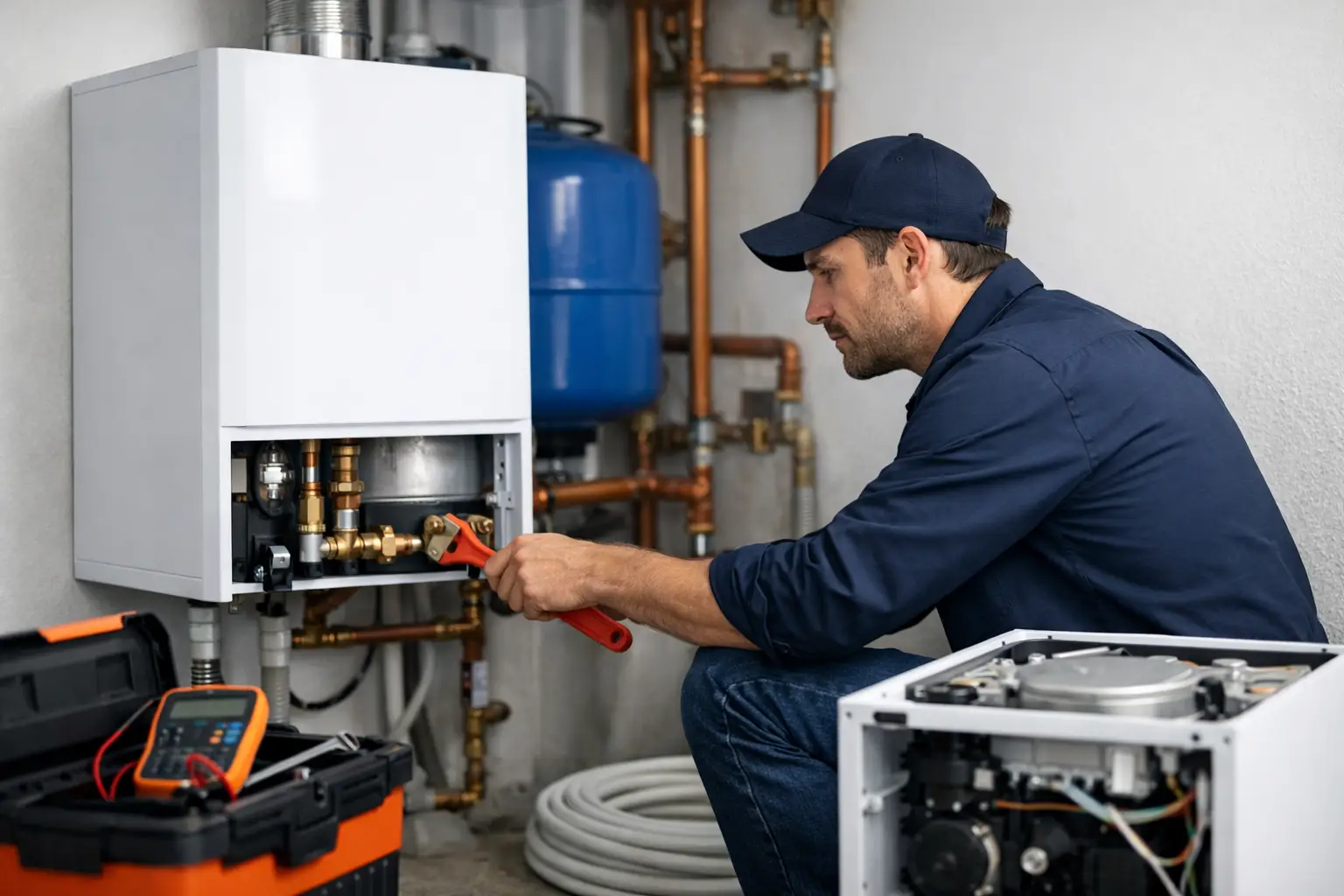

A boiler installation is not just a case of swapping one box for another. If you are asking what is involved in installing a new boiler, the real answer is planning, correct sizing, safe gas work, system checks, and making sure the rest of the heating circuit can support the new appliance properly. Done well, a new boiler should heat your property efficiently, run reliably, and avoid the repeat faults that often follow rushed or poor-quality installations.
For homeowners, landlords, and property managers, that matters. A boiler sits at the centre of your hot water and heating system, so every decision around the installation affects comfort, running costs, and long-term reliability. In London properties especially, where systems vary from older gravity-fed layouts to modern combi setups, the installation process often depends on the age of the building, the condition of the pipework, and how well the existing system has been maintained.
What is involved in installing a new boiler before any work starts?
The first stage is the survey. A proper installer does not price a boiler replacement purely from a photo or a quick phone call unless it is a very like-for-like change and the details are clear. They need to assess your current boiler type, fuel supply, flue route, water pressure, heating demand, and the condition of the wider system.
This is where many customers are surprised. The boiler itself is only part of the job. An installer also needs to consider whether your radiators are suitable, whether the pump and controls are working as they should, whether there is sludge in the system, and whether the existing pipework meets current standards. If any of those parts are weak, fitting a brand new boiler without addressing them can lead to poor circulation, noise, cold spots, and breakdowns.
Sizing is another key point. Bigger is not automatically better. An oversized boiler can cycle on and off too often, which wastes energy and puts extra strain on components. An undersized unit may struggle to keep up with demand. The right output depends on the number of radiators, bathrooms, occupancy levels, and whether you need strong hot water performance at more than one outlet at the same time.
Choosing the right boiler and system type
In many properties, the decision comes down to combi, system, or regular boiler. A combi boiler is often the preferred option where space is limited and hot water demand is moderate. It removes the need for stored hot water cylinders and tanks, which suits many flats and smaller houses.
A system boiler can make more sense in larger homes with multiple bathrooms, where stored hot water is useful. A regular boiler may still be the right fit in older properties with traditional heating layouts. There is no single best choice for every building. The right option depends on the property, the existing setup, and how the occupants use hot water day to day.
A good installer will also look at efficiency, warranty terms, parts availability, and serviceability. Some boilers are easier to maintain than others, and some brands offer stronger support. That matters over the life of the appliance, not just on installation day.
The physical work involved in installing a new boiler
Once the specification is agreed, the installation itself can begin. If it is a straightforward boiler swap in the same location, the work is usually quicker and less disruptive. If the boiler is being relocated, or if the system is being converted from one type to another, the work becomes more involved.
The old boiler needs to be isolated, drained down, disconnected, and removed safely. After that, the installer prepares the area for the new unit. This may include upgrading the pipework, adjusting water and gas connections, fitting new valves, and ensuring the wall or mounting surface is suitable.
The flue is a major part of the installation. It must be positioned correctly and comply with current regulations for safe discharge of combustion gases. That can affect where the boiler can be installed, particularly in tight spaces or properties with awkward layouts. If the old flue position is not compliant, a new route may be needed.
Condensate pipework also needs attention on modern condensing boilers. It must be installed properly to reduce the risk of freezing and drainage problems. This is one of those details that can be overlooked by poor installers and then causes avoidable winter call-outs.
Electrical connections are also part of the job. The boiler controls, fused spur, thermostat, and any smart heating controls need to be wired correctly and tested. Modern controls can make a noticeable difference to efficiency, but only if they are set up properly and matched to how the property is actually used.
Why system cleaning matters
One of the biggest issues with new boiler installations is what is left inside the existing heating system. If the radiators and pipework are full of sludge, magnetite, limescale, or general debris, that contamination does not disappear just because the boiler is new. It circulates straight into the new appliance and can damage key components such as the heat exchanger and pump.
That is why system cleaning is often part of a proper installation. Depending on the condition of the system, this may involve a chemical cleanse or a full power flush. The aim is to remove build-up that restricts circulation and reduces efficiency. In older systems, this stage can make a major difference to radiator performance and help protect the new boiler from early failure.
A magnetic filter is also commonly fitted during installation. This helps capture iron oxide and circulating debris before it reaches sensitive parts of the boiler. It is a simple addition, but it can extend system life and support cleaner operation.
For many properties, especially where there have been cold radiators, repeated boiler faults, or dirty water in the system, cleaning is not an optional extra. It is part of doing the installation properly.
Safety checks, commissioning and legal sign-off
Gas boiler installation is controlled work and must be carried out by a Gas Safe registered engineer. That is non-negotiable. Safety comes first, and the installation needs to comply with current regulations covering gas, flues, ventilation, and appliance setup.
After the boiler is fitted, the engineer carries out commissioning. This means filling the system, venting air, checking pressure, testing gas rates, verifying burner performance, and making sure the controls operate correctly. They also test for leaks, confirm safe flue operation, and check that the boiler is running within the manufacturer’s specifications.
At this stage, inhibitor is added to the system water to help prevent future corrosion and scale build-up. The benchmark paperwork and warranty documents should also be completed correctly. If the boiler is not commissioned and registered properly, the manufacturer warranty may be affected.
Building Regulations notification is another part of the process. The installation must be recorded so there is formal evidence that the work was carried out by a qualified engineer and meets legal requirements.
How long does a new boiler installation take?
It depends on the job. A straightforward like-for-like replacement may be completed in a day. If the boiler is being moved, the system is heavily contaminated, or a conversion is involved, the work may take two or more days.
Older London properties can throw up complications. Restricted access, dated pipework, poor previous workmanship, and hidden system faults can all extend the timescale. A reliable installer will explain that upfront rather than promise an unrealistically quick turnaround.
What affects the final cost?
The biggest factors are the boiler model, the complexity of the installation, whether controls are being upgraded, and whether system cleaning or pipework alterations are needed. Moving a boiler to a different room will usually cost more than replacing one in the same position. Converting from a regular boiler to a combi can also increase labour and materials.
The cheapest quote is not always the best value. If a price excludes flushing, filter installation, control upgrades, or proper commissioning, you may simply be paying less now to deal with faults later. Good installation work protects the boiler, improves efficiency, and reduces the chance of return visits.
What you should expect from your installer
You should expect a clear quotation, a realistic explanation of the work, and honest advice about whether your existing system is suitable for a straight replacement. You should also expect Gas Safe credentials, tidy working practices, proper testing, and full handover once the installation is complete.
At The Power Flush Company, this is where specialist heating knowledge makes a real difference. When boiler installation is backed by system cleaning expertise and practical fault-finding experience, the result is not just a new appliance on the wall – it is a heating system set up to perform properly.
If you are planning a boiler replacement, focus on more than the badge on the front of the unit. The quality of the survey, the condition of the system, and the standard of the installation will do just as much to decide how well your new boiler performs over the years ahead.